


Executive Summary
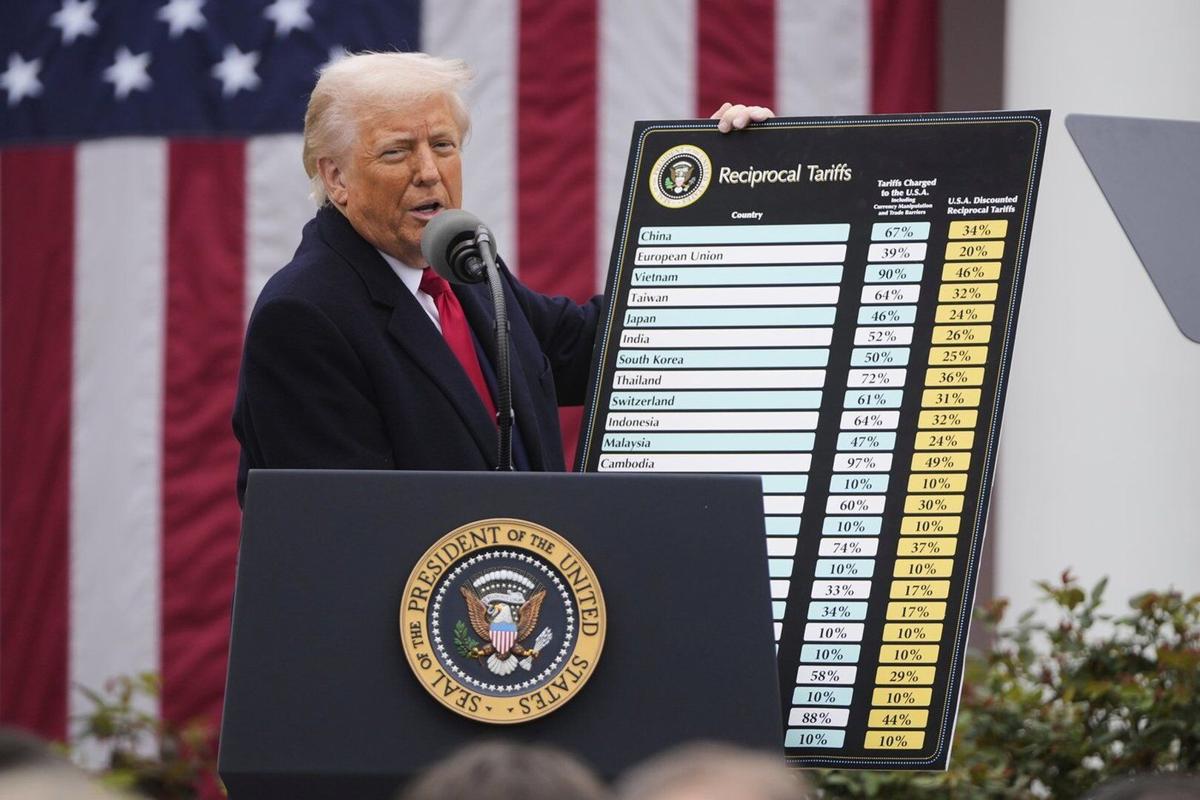
The implementation of sweeping US tariffs beginning April 2, 2025, has triggered significant economic and market disruptions across both traditional and digital asset classes. This analysis examines the multifaceted impacts of these protectionist measures, which include a 25% tariff on imports from countries purchasing Venezuelan oil, a 25% tariff on all imported automobile parts, and a baseline 10% tariff on goods from non-USMCA countries (with higher rates for "worst offender" nations). These measures have sparked immediate market sell-offs, raised inflation concerns, and heightened recession risks while creating a complex landscape of challenges and potential opportunities for investors navigating this new economic reality.
Tariff Structure and Implementation Timeline
The current tariff regime represents one of the most significant protectionist pivots in modern American economic policy, characterized by a multilayered approach:
- April 2, 2025: 25% tariff on imports from countries purchasing Venezuelan oil
- April 3, 2025: 25% tariff on all imported automobile parts
- April 5, 2025: Baseline 10% tariff on all goods from non-USMCA countries
- April 9, 2025: Higher reciprocal tariffs on approximately 60 "worst offender" countries
These measures build upon earlier tariffs, including a 20% increase on Chinese imports and 25% on steel and aluminum, creating what economists describe as the most aggressive protectionist environment since the 1930s. The Tax Foundation estimates the average tariff rate will surge from 2.5% in 2024 to 18.8% in 2025—the highest level since 1933.
Macroeconomic Implications
GDP Impact and Trade Disruption
Economic forecasts suggest substantial negative impacts on economic growth:
- Projected GDP Reduction: 0.5% from the April 2 tariffs alone, with a total estimated 0.8% GDP contraction over the decade
- Import Collapse: A projected 28% drop in imports, creating supply chain disruptions across multiple sectors
- Global Ripple Effects: Canada's economy could potentially shrink by 2.1% long-term, while China faces a more modest but still significant contraction
This represents what economists call a "self-imposed economic headwind" at a time when the global economy remains vulnerable following the pandemic recovery period.
Inflation Pressure
The tariffs are creating what analysts describe as "unproductive inflation"—price increases that do not correspond with economic growth or productivity gains:
- Supply-Side Inflation: Increased costs of imported goods are being passed to consumers
- Sector-Specific Price Surges: Industries heavily reliant on imported components, particularly automotive manufacturing, face disproportionate cost increases
- Purchasing Power Erosion: Rising prices coupled with economic uncertainty may suppress consumer spending
The timing of these inflationary pressures is particularly concerning as they emerge against a backdrop of already elevated inflation concerns following years of expansionary monetary policy.
Recession Risk Elevation
Multiple economic indicators suggest the tariffs have significantly heightened recession risks:
- Service Sector Slowdown: US service sector growth nearly halted in March 2025
- Canadian Services Contraction: Canada's services PMI tumbled to a near 5-year low
- Market Volatility: Significant asset price declines across multiple sectors suggest deteriorating economic confidence
The combination of trade disruption, inflation pressure, and market uncertainty creates a potentially dangerous economic mixture that could accelerate recessionary tendencies.
Market Response Analysis
Equity Markets
Stock markets have responded decisively to the tariff announcements:
- Broad-Based Declines: S&P 500 and Nasdaq fell 2% and 2.8% respectively following the announcements
- Sector-Specific Impacts: Automotive manufacturers like Stellantis declined 12% over the past month due to tariff concerns
- Safe-Haven Rotation: Significant capital flows toward traditional safe-haven assets like gold and Treasury bonds
The market response reflects both immediate concerns about profitability impacts and longer-term worries about economic trajectory and potential retaliation.
Cryptocurrency Markets
Digital assets have demonstrated strong correlation with traditional risk assets during this period:
- Bitcoin Retracement: Prices fell below $82,000, erasing approximately $115 billion in market value
- Altcoin Vulnerability: Many alternative cryptocurrencies experienced even steeper declines, approaching 10% losses
- Crypto Equities Pressure: Crypto-focused stocks suffered disproportionately, with Coinbase falling 7.7%, while mining companies like MARA and Riot Platforms dropped 8.3% and 8.7% respectively
The crypto market reaction highlights the continuing integration of digital assets into the broader financial ecosystem, with similar risk-off behavior during periods of economic uncertainty.
International Response and Retaliation Risks
The global response to these tariffs creates additional layers of economic risk:
- Negotiation Attempts: Canada and Mexico are actively seeking exemptions through USMCA provisions
- Retaliatory Preparations: China and the European Union have announced plans for countermeasures
- IMF Warnings: The International Monetary Fund has identified these developments as a significant threat to global economic stability
Historical precedent suggests that trade conflicts tend to escalate in unpredictable ways, with retaliatory cycles potentially creating broader economic damage than initial tariff impacts alone.
Sector-Specific Vulnerability Assessment
Automotive Industry
The 25% tariff on automobile parts creates particular challenges for this sector:
- Supply Chain Disruption: Modern vehicles contain thousands of components from global suppliers
- Price Pressure: Higher component costs will likely necessitate consumer price increases
- Profitability Squeeze: Manufacturers face difficult decisions between margin compression and market share loss
The industry's high capital requirements and complex international supply chains make rapid adaptation particularly challenging.
Technology Sector
Technology companies face a complex mix of direct and indirect impacts:
- Component Cost Increases: Many devices rely on globally sourced semiconductors and other components
- Demand Uncertainty: Economic slowdown could reduce consumer and enterprise technology spending
- Innovation Constraints: Trade restrictions may impede international collaboration on emerging technologies
The sector's global nature makes it particularly vulnerable to both direct tariff impacts and broader trade friction.
Cryptocurrency Market Dynamics
Short-Term Vulnerability
Despite cryptocurrency's theoretical status as a potential safe haven, near-term market behavior suggests continued risk correlation:
- Correlation with Equities: Bitcoin and major cryptocurrencies continue to demonstrate high correlation with traditional risk assets during market stress
- Institutional Behavior: Professional investors appear to be reducing risk exposure across asset classes, including digital assets
- Liquidation Cascades: Leveraged positions within crypto markets create potential for amplified downside moves
These patterns suggest that cryptocurrency markets remain vulnerable to further volatility if economic conditions deteriorate.
Long-Term Potential Divergence
Some analysts identify potential for longer-term divergence in cryptocurrency performance:
- Inflation Hedge Thesis: Bitcoin's fixed supply schedule could provide protection against the inflationary impacts of tariffs
- Policy Contrast: Pro-crypto regulatory stance (including plans for a strategic Bitcoin reserve) stands in contrast to restrictive trade policies
- Global Accessibility: Decentralized assets may benefit from their ability to transcend traditional economic boundaries
This perspective suggests a potential recovery and possible outperformance if economic instability becomes prolonged, though this remains speculative given current market behavior.
Investment Strategy Implications
Traditional Markets
The current environment suggests several strategic considerations for traditional investors:
- Defensive Positioning: Sectors with lower import dependency and essential consumer goods exposure may outperform
- Domestic Supply Chain Preference: Companies with predominantly domestic supply chains face relatively lower tariff exposure
- Quality Focus: Companies with pricing power and strong balance sheets are better positioned to weather economic uncertainty
The possibility of further escalation suggests caution toward sectors with high international exposure or dependency on specific import categories targeted by tariffs.
Cryptocurrency Markets
Digital asset investors face a complex decision landscape:
- Time Horizon Significance: Short-term and long-term investment theses may diverge significantly
- Volatility Preparation: Further economic deterioration could trigger additional near-term selling pressure
- Narrative Evolution: The "digital gold" thesis faces an important real-world test in this inflationary, economically uncertain environment
The contrasting short-term correlation with risk assets versus potential long-term inflation hedge characteristics creates a particularly challenging analysis framework.
Conclusion: Navigating the Uncertainty
The US tariffs implemented beginning April 2, 2025, represent a significant economic inflection point with complex and potentially far-reaching consequences. The immediate market reaction across both traditional and digital assets reflects heightened uncertainty and risk aversion, with legitimate concerns about inflation, recession risk, and retaliatory spirals.
For investors and economic participants, the coming months will require careful monitoring of several key indicators:
- Retaliatory Measures: The scope and scale of countermeasures from affected trading partners
- Inflation Data: Whether price increases prove transitory or persistent
- Policy Adjustments: Potential monetary policy responses to economic slowdown or inflation
- Market Correlation Patterns: Whether traditional correlations persist or new relationships emerge
The economic landscape has undoubtedly shifted, creating both challenges and potential opportunities for those prepared to navigate this new reality with discipline and analytical rigor. While short-term volatility appears likely to persist, the longer-term implications will depend on the complex interplay between policy decisions, market adaptations, and global economic responses.